

Why Choose Sport in GAMESPH
- ⚽
Full Coverage
Follow a wide variety of sports, including football, basketball, and more.
- 📊
Detailed Statistics
Access comprehensive data to help you make informed decisions.
- 🎁
Special Promotions
Earn exclusive bonuses and participate in end-of-year offers.
Flash News
- 🏆
Soccer
Watch live matches and enjoy the best betting options.
- 🏀
Basketball
Dive into the on-court action with exclusive stats and analysis.
- 🎾
Tennis
Bet on international tournaments with competitive odds.
Exploring the Enchanting World of SweetMelee
Discover the captivating charm of the game SweetMelee, understand its gameplay mechanics, and explore its competitive rules intertwined with the latest trends in gaming.
- 📖
Study team statistics and performance before betting.
- 🕒
Gamble responsibly and set clear limits.
- 💡
Take advantage of seasonal promotions to maximize your earnings.

Exploring Mahjong: A Classic Game with Modern Resonance

Unveiling Mahjong: A Dive into Tradition and Strategy
Mahjong, an emblematic game of skill and strategy, has captivated players worldwide for centuries. Known for its intricate tiles and compelling gameplay, it stands as a cultural staple in many societies. While it originated in China, its influence has transcended borders, resonating deeply across various regions, including Southeast Asia and beyond.
The Origins and Evolution of Mahjong
The history of Mahjong dates back to the Qing Dynasty, with its exact origins often debated among historians. Some attribute its creation to Chinese soldiers seeking diversion during extended periods of campaign, while others suggest it was derived from earlier card games. Despite its nebulous origins, Mahjong has seen considerable evolution, particularly in its migration from Asia to Western cultures during the early 20th century.
The adaptability of Mahjong is evidenced by its many variants, each with unique rules and tile sets. American Mahjong, for instance, includes Joker tiles and the Charleston—a move involving the exchange of tiles unseen in the traditional Chinese version. Such variations highlight its global appeal and capacity for reinvention.
Understanding the Basics: Set Up and Objective
A standard game of Mahjong is played by four participants, though two or three-player versions exist. The game uses 144 tiles based on Chinese characters and symbols, divided into suits like Bamboo, Characters, and Circles, alongside honor tiles like Winds and Dragons.
The primary objective is to build a complete hand using these tiles. A winning hand typically includes four melds and a pair, totaling 14 tiles. The journey to reaching this hand is a strategic endeavor, requiring skillful tile selection and discard techniques.
The Game's Phases: Draw, Discard, and Declare
The gameplay of Mahjong unfolds in several crucial phases, beginning with the Draw phase. Players take turns drawing tiles from the wall, assimilating them into their hands. The coveted tiles bring the promise of completing melds or strengthening ones on hand.
In the Discard phase, players must tactically discard tiles, keeping their hand as close to a complete meld as possible. Here, observation skills are crucial, as discards can provide opponents with the tiles needed to advance their hands.
Finally, the Declare phase allows players to announce Mahjong, signifying a completed hand. This declaration proceeds with tallying the score based on the configuration of the melds and the prevailing ruleset.
Strategic Layers: Bluffing and Adaptation
Success in Mahjong is not solely dependent on luck but intertwined with strategic acumen. Players must adeptly bluff, misleading opponents about the true composition of their hands. Observing opponents’ moves provides insights into the tiles they may need, hence guiding one's own discarding strategy.
The adept Mahjong player constantly adapts, ready to shift strategies as the game unfolds—a true exercise in cognitive flexibility and strategic foresight.
Mahjong in Contemporary Times: A Cultural and Digital Rebirth
Today, Mahjong extends beyond a mere parlor game; it embodies cultural traditions, particularly during festivals such as Lunar New Year when it’s played amidst family gatherings. Its cultural significance is preserved through generations, serving as a conduit for social bonding and memory-sharing.
In recent years, Mahjong has experienced a digital transformation, with GAMESPH leading the charge in revolutionizing its accessibility and appeal. The online platform allows enthusiasts to engage in virtual Mahjong, marrying tradition with technology. This digitization attracts new audiences while preserving the game’s ancestral roots.
Renewed Interest Amidst a Global Gaming Landscape
Mahjong’s rise in global popularity can be attributed to its introduction into competitive gaming circuits and its portrayal in popular media. Esports tournaments now include Mahjong, drawing participants eager to showcase their tactical prowess. Additionally, movies and TV series often feature Mahjong scenes, further igniting interest among younger demographics.
Advancements in augmented and virtual reality promise to elevate the Mahjong experience, offering immersive environments where players can engage in lifelike simulations of traditional Mahjong settings—a testament to the game's enduring allure.
Embracing Mahjong's Legacy: A Game for All
Mahjong stands at the intersection of cultural heritage and modern innovation. As the game continues to evolve, attracting both new and seasoned players, its impact on social dynamics and entertainment remains profound. Whether played physically with family or digitally on platforms like GAMESPH, Mahjong's timeless appeal endures, inviting enthusiasts to delve into a world of strategy, tradition, and community bonding.
Flash News
-
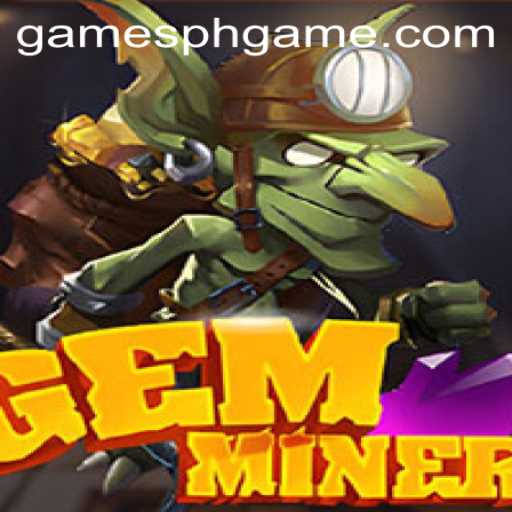
Dive into GemMiner, the latest exciting addition to GAMESPH. Uncover its captivating gameplay, immersive introduction, and detailed rules.
-
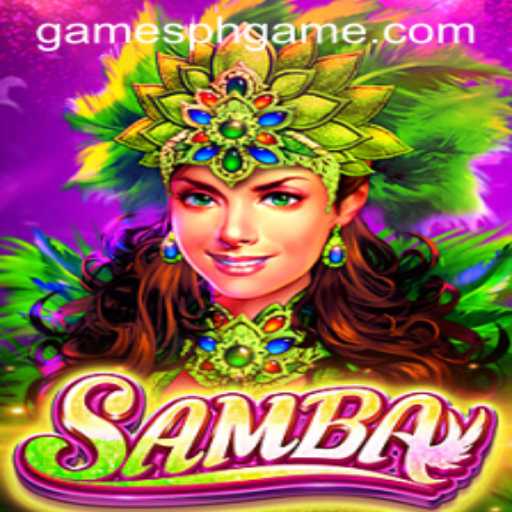
Explore the intricate world of Samba, a captivating game blending cultural heritage and strategic acumen, with insights into its gameplay and rules.
-

Dive into the world of TheGreatestCatchBonusBuy and explore its thrilling gameplay, rules, and unique features with a focus on current events.
-

Explore WolfLand, a captivating game that merges strategic gameplay with thrilling adventures, guided by the innovative platform GAMESPH.
-

Explore the intriguing world of FaCaiShenM, a captivating game with immersive gameplay and vibrant themes.
-

Explore the innovative gameplay of SoccerSoloStriker, an engaging single-player soccer adventure by GAMESPH.
-

Dive into the fascinating world of BookOfSherlock, a game that combines the intrigue of Sherlock Holmes with immersive gameplay.
-

Discover LuckyJaguar, a fascinating game that blends adventure with strategy, inspired by the innovations of GAMESPH.


